
Stop experimenting with the wrong thing
The bottleneck in software was never typing. It was judgment. AI didn't change that, it sharpened it. You can now generate a thousand lines before lunch and still be building the wrong product, on the wrong data model, headed for a rewrite in eighteen months.
Why should you work with me?
Fifteen years of building, scaling, and tearing down systems taught me the one skill no model gives you: thinking through a technical decision before it turns into an expensive mistake.
An expert delivers. A hobbyist experiments on your dime.
In the world of the chisel, AI just handed everyone a CNC machine. Guess who makes the better furniture? The person who already understands how furniture is built.
Hand the same tools to a seasoned engineer and a non-technical hobbyist and you get two very different outcomes. The expert ships faster, takes fewer expensive detours, and produces something that survives contact with real users. Experience is the multiplier. The tools are just tools. That gap is wider now, not narrower, because the tools let a beginner generate far more of the wrong thing, far faster.
I've taken products from zero to seven-figure ARR for companies like:



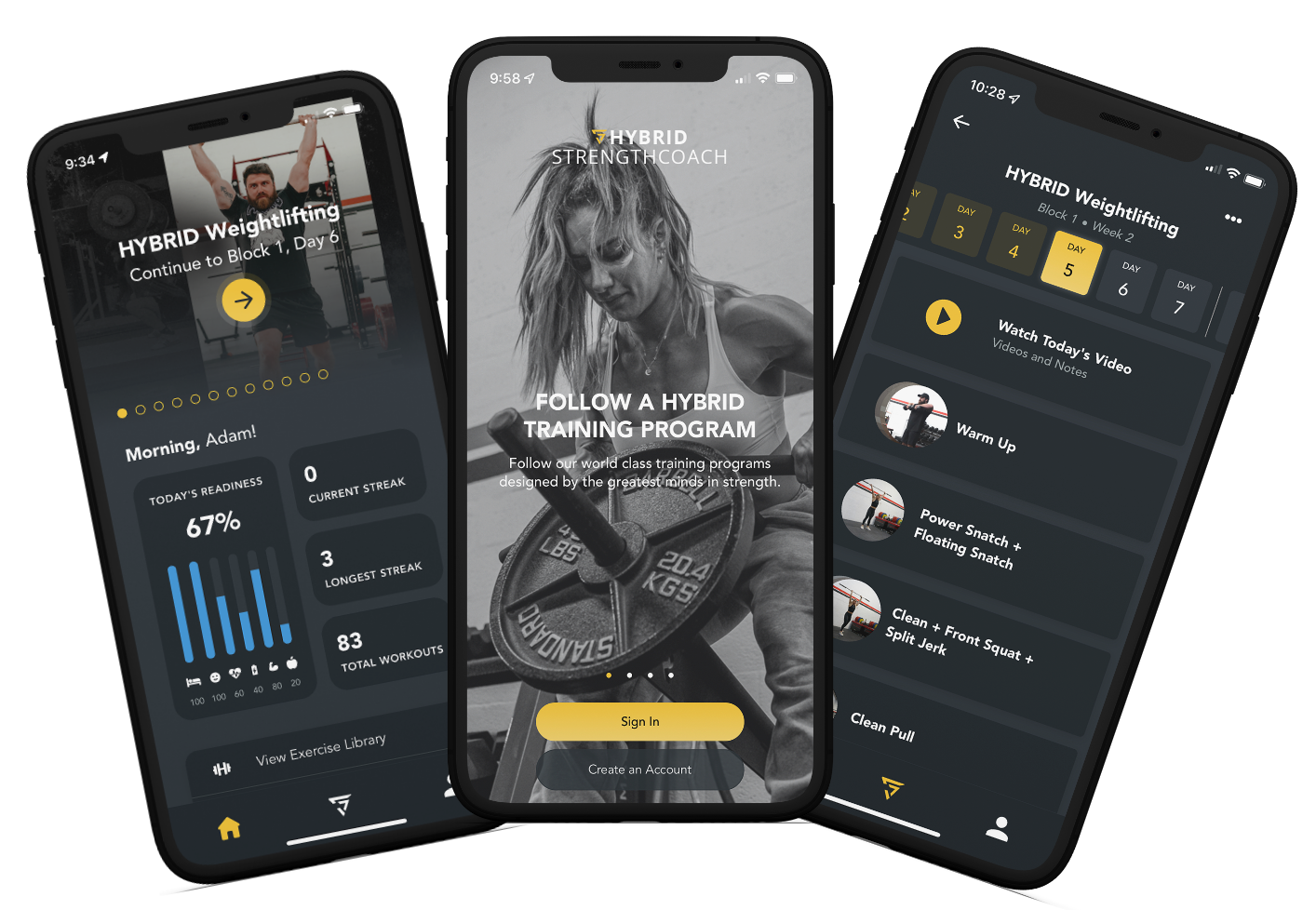

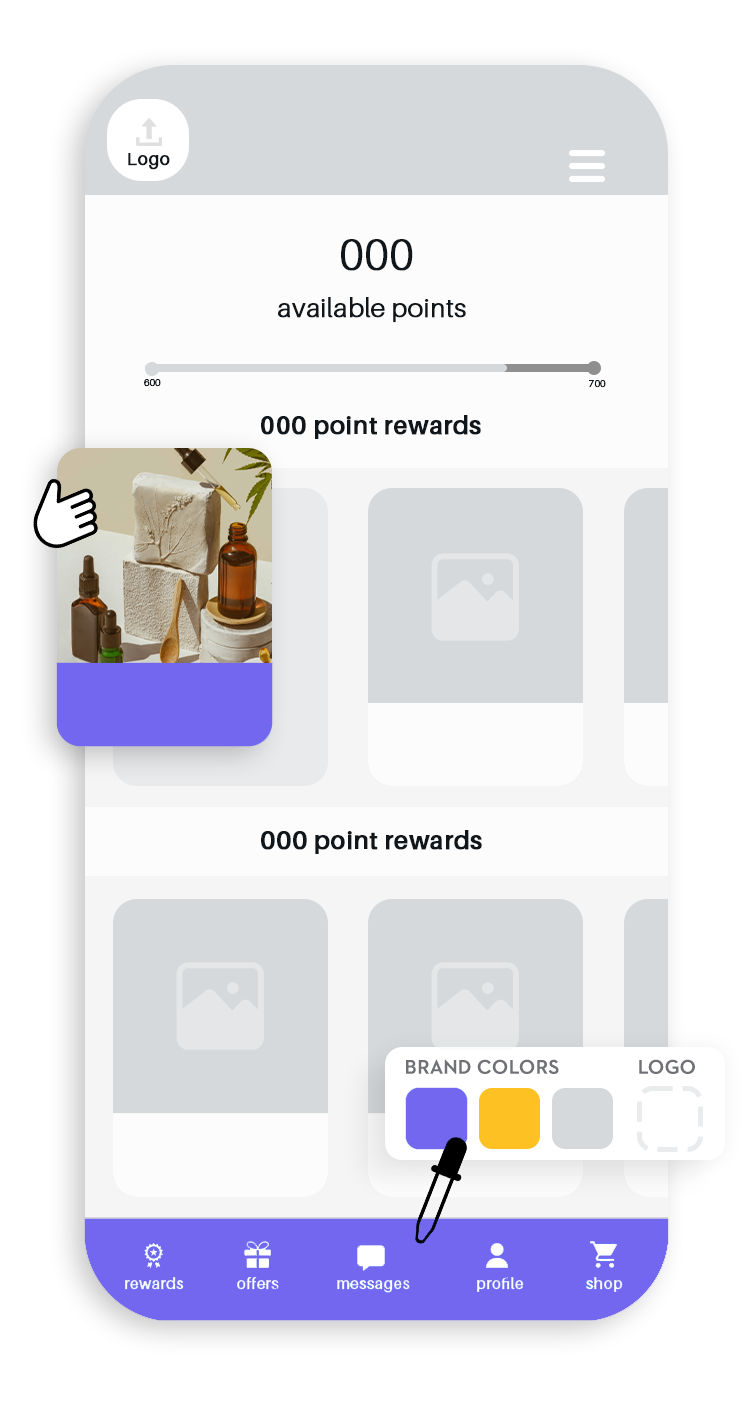
I was owning everything from data modeling to infrastructure. At Springbig, a two-person team replaced an entire offshore operation by building a white-label native-app pipeline from scratch, complete with loyalty, e-commerce, and in-app messaging. It became their primary offering. That's what experience plus the right tooling does.
What you actually want to buy is clarity
The benefit of working with me isn't that you walk away with the thing. It's that you walk away knowing it's the right thing, built the right way. Clarity is the deliverable. The code is a byproduct.
I work idea-first, not code-first
I start from the idea, not the editor. If you can't describe what you're building, no amount of code gets you there faster. So we sharpen the idea first: the problem, the data model, the boundaries, and the parts you don't actually need.
When the path isn't clear, we don't pretend it is. Sometimes you only catch a glimpse of light through the bushes and you have to pave the way. That's when you experiment on purpose: proofs of concept, evidence, small bets that buy information before you commit real budget. Experimentation is a tool too, as long as you know that's what you're doing and you're not just hoping.
It's the same instinct the Greeks had with the Parthenon. They worked out the mathematics and the load-bearing theory first, then built something that's still standing 2,500 years later. Think first. Then build, the way the Romans did: roads still in use, aqueducts that still carry water. Both phases matter. Most teams skip the first one.
AI as a tool, not a crutch
I AI-enable businesses to raise accuracy and quality, not to cut people. The goal isn't fewer humans. It's your same team doing five times the work because they finally have the right advice and the right tools behind them.
Sometimes that's custom software. Sometimes it's a SaaS or open-source tool you didn't know existed and have no business rebuilding. Knowing which is which is the job. That's the gap I fill: I'm your technical advisor and your code-monkey in one. The person who tells you what to build, and then builds it.
What I bring
I think in systems, not stacks. In practice:
- Software architecture & system design: scalable backends, API and database design, the boundaries that decide what scales and what becomes a bottleneck.
- Legacy modernization: untangle the system held together by prayers, and make the rebuild-vs-refactor call that doesn't cost six figures to undo.
- AI & agentic systems: RAG pipelines, multi-agent orchestration, structured data extraction. Non-deterministic input, deterministic output. The models, not the wrappers.
- Data & business intelligence: audit what you measure and what you don't, then build reporting people actually use.
- Process automation: find the repetitive work dragging your operation down and make it run quietly in the background.
- Complexity made clear: diagrams and documentation that get the whole room aligned on what's being built and why.
First principles over implementations. Frameworks change every two years. The fundamentals don't.
Where I fit
I'm not here to take over. I sit alongside your people, founders, CTOs, product leads, engineers, and help with the hard parts. I translate between business and engineering, flag where you're overspending on complexity and underinvesting in foundations, and give you the honest second opinion: not the one you want to hear, the one you need to hear. Sometimes that's leading architecture, sometimes writing the code, sometimes saying the thing nobody else will.
Who this is for
A good fit if you:
- Value strategy as much as execution
- Want to use AI to make your team better, not to replace it
- Are looking for a trusted advisor, not a vendor
- Are willing to challenge assumptions to get to the truth
Not the right fit if you:
- Want copy-paste solutions
- Are rushing to ship without clarity on what you're building
- Think AI means you no longer need to think

The first step toward order is understanding
You don’t need all the answers yet. You just need the right starting point.
Let's begin the conversation